Bluebell Wildflower Embroidery Design
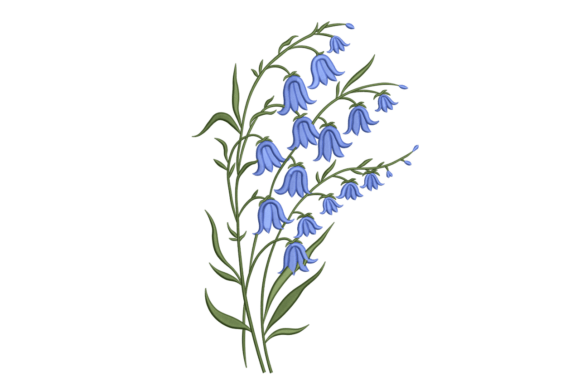
The Bluebell Wildflower machine embroidery design captures the quiet charm of a woodland garden, offering a delicate and graceful aesthetic that can elevate a wide range of craft fair products. As an experienced embroidery designer, I’ve evaluated this design for its visual appeal, practicality, and potential to sell in handmade markets.
First Impressions: A Soft and Elegant Touch
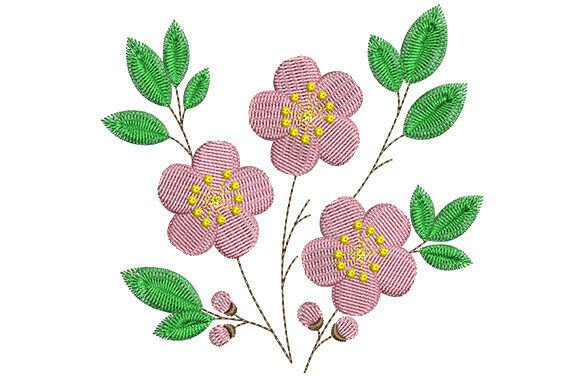
From the moment you see the Bluebell Wildflower embroidery file, it exudes a soft, elegant vibe. The sweeping spray of bell-shaped blooms feels natural and timeless, making it ideal for farmhouse, rustic, or nature-inspired themes. It’s not overly bold or flashy, but its simplicity allows it to stand out as a premium addition to any handmade product.
Best Applications for Craft Fair Products
This design shines on a variety of items that customers often seek at craft fairs. Tote bags, aprons, and tea towels are perfect canvases for the Bluebell Wildflower, where its delicate details can be appreciated up close. Embroidered patches also work well, especially when used as accents on jackets, backpacks, or hats. Pillow covers and fabric pouches offer a more decorative application, while market bags and handmade gifts benefit from the design’s subtle sophistication.
Where Bluebell Wildflower Stands Out
- Tote Bag Design: Adds a touch of elegance without overwhelming the canvas.
- Apron Embroidery: Perfect for kitchen or gardening aprons, blending function with beauty.
- Tea Towel Embroidery: Creates a charming home accessory with a nature-inspired flair.
- Embroidered Patch: Ideal for adding a small, detailed accent to garments or accessories.
Practical Selling and Production Considerations
The Bluebell Wildflower design is easy to recognize at a glance, which is crucial for attracting customer attention in a busy craft fair booth. It works well as both a small accent and a larger focal point, depending on the product size and placement. When photographed for online listings, the design maintains its clarity and appeal, making it a strong candidate for Etsy sellers and digital embroidery file sales.
For batch production, the design is repeatable and manageable, provided the stitch density is appropriate. However, it’s important to test the embroidery file on different fabric textures, including thick or textured materials, to ensure the design doesn’t lose its detail. Dark fabrics may require a contrasting thread color to make the bluebells pop, and smaller sizes could result in less visible detail.
Careful-Use Notes for Embroidery Designers
While the Bluebell Wildflower embroidery file is visually appealing, some areas may have dense stitch patterns that could cause puckering on certain fabrics. Tiny details, such as the individual petals, might be challenging to execute on very small items like pins or keychains. If using the design on curved surfaces like caps, extra care should be taken to ensure even tension and proper stabilizer use.
When working with dark fabrics, consider using a white or light-colored thread to maintain visibility. For commercial embroidery projects, always confirm the licensing terms before selling finished products. This ensures compliance and avoids any legal issues down the line.
Impact on Visual Appeal and Customer Engagement
The Bluebell Wildflower design enhances the visual appeal of any handmade product it’s applied to. Its soft, flowing lines create a sense of movement that draws the eye, making it a strong choice for booth displays. Customers are naturally attracted to designs that feel authentic and high quality, and this embroidery file delivers on both counts.
As a craft fair seller, incorporating Bluebell Wildflower into your product lineup can help build brand consistency, especially if your shop focuses on nature-themed or rustic items. It adds value to small shop products by offering a premium look without a steep price tag. For Etsy sellers, the design’s versatility makes it a valuable addition to your design assets, capable of being adapted across multiple product types.
Essential Embroidery Designer Tips
To get the best results with the Bluebell Wildflower embroidery file, follow these key steps:
- Test on Scrap Fabric: Always test the design on the intended fabric type before mass production.
- Check Thread Contrast: Ensure the thread color complements the fabric for maximum visibility.
- Review Spacing: Make sure the design fits well within the hoop size and doesn’t appear cramped or stretched.
- Confirm Hoop Size: Verify that the design can be fully hooped without cutting off any elements.
- Inspect Stitch Density: Avoid areas with excessive stitching that could cause fabric distortion.
- Use the Right Stabilizer: Choose a stabilizer that supports the fabric type and design complexity.
- Create a Mockup: Produce at least one real mockup to see how the design looks in person.
- Compare Fabric Colors: Test the design on various fabric shades to ensure consistent appearance.
- Confirm Commercial Licensing: Double-check the license terms before selling finished products.
Conclusion: A Versatile and Marketable Design
The Bluebell Wildflower embroidery design is a versatile and marketable option for craft fair sellers, handmade shops, and Etsy entrepreneurs. Its elegant, nature-inspired aesthetic makes it suitable for a wide range of products, from tote bags to embroidered patches. With proper testing and execution, it can become a standout item in any booth display or online store.